
Florida's tokenised homesteads: the sunshine state's bid to become the Switzerland of secure asset storage
Written by Reid A. Winthrop, Managing Partner, Winthrop Law Group, PC

Florida’s rich history of “tax free” property
In an era where economic volatility, aggressive tax regimes and relentless debt collectors cast long shadows over personal wealth, Florida is poised to redefine asset protection. Imagine owning a slice of Miami Beach waterfront property, not through cumbersome deeds and escrow but via secure digital tokens on a blockchain. Better yet, picture that property shielded from seizure by creditors, public or private, thanks to the state’s legendary homestead exemption. This fusion of cutting-edge tokenisation and time-tested legal safeguards could transform Florida into the ultimate “Switzerland of the South”, a sun-drenched haven for safeguarding assets against tax authorities, litigious ex-partners or foreign judgments. As blockchain adoption surges in 2025, this vision isn’t just speculative; it’s a blueprint for financial sovereignty.
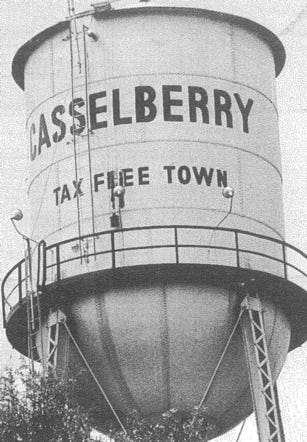
Source City of Casselberry, Florida
Florida tokenise real estate v Swiss banking real estate
Feature
Florida Tokenised Homesteads
Swiss Banking/Real Estate
Creditor Protection
Unlimited equity shield for primary residence; exceptions limited
Strong privacy, but no blanket real estate exemption; vulnerable to judgments
Liquidity
Instant token trades 24/7
High for cash, low for property (months to sell)
Tax Perks
No state income tax; $50K homestead deduction
Low taxes, but federal withholding for non-residents
Accessibility
Fractional from $1; global via blockchain
High minimums ($1M+); in-person requirements
Stability
US legal backing; weather risks insured
Political neutrality; eurozone adjacency risks
Florida’s homestead exemption: a fortress against creditors
At the heart of Florida’s allure lies its homestead exemption, enshrined in Article X, Section 4 of the state constitution. This isn’t your average tax break; it’s a robust shield that protects a primary residence from forced sale to satisfy most debts. For homeowners declaring Florida as their domicile, up to half an acre in urban areas or 160 acres in rural settings is exempt from creditor claims regardless of the property’s value. This unlimited equity protection sets Florida apart from federal exemptions, which cap homestead safeguards at just $31,575 in bankruptcy as of 2025. Exceptions exist, of course: the exemption doesn’t cover property taxes in all counties, federally- backed mortgages or liens voluntarily placed on the home (such as mechanic’s liens for improvements). But for everyday debts, credit cards, medical bills and even business loans, the homestead stands unbreachable. Furthermore, this protection extends posthumously, shielding heirs from estate creditors in many cases. Add in a $50,000 property tax reduction, and Florida’s homestead isn’t just defensive - it’s a wealth accelerator. Unsurprisingly, the exemption has served as a major draw for homebuyers to Florida for years. For high-net-worth individuals (HNWIs) fleeing high-tax states such as New York or California, this creates an irresistible draw. But traditional real estate remains illiquid and opaque. Enter tokenisation.
Tokenisation: revolutionising real estate ownership
Tokenised property represents ownership rights as digital tokens on a blockchain. Think Ethereum or Solana - each token a verifiable fraction of the underlying asset. A $10 million condo could be divided into 10,000 tokens and sold globally in seconds via decentralised exchanges (DEXs). The advantages are transformative, including:
· fractional ownership and accessibility - minimum investments drop from six figures to single dollars, democratising luxury real estate. A teacher in Tokyo or a retiree in Tampa can own a piece of South Beach without needing a realtor or lawyer.
· liquidity on demand - unlike traditional sales that drag for months, tokens trade 24/7, mirroring stocks. This “exit liquidity” has boosted returns by 15-20% in early pilots, as investors flip fractions without market timing risks.
· transparency and efficiency - blockchain’s immutable ledger eliminates fraud, automates rentals/dividends via smart contracts and slashes intermediaries saving 5-10% in fees.
· global capital access - tokenisation taps international pools, funding everything from eco-resorts in the Keys to urban rehabs in Orlando across debt, equity and hybrids.
In Florida, where real estate values hit $1trillion in 2025 just in Miami alone, tokenisation is not merely innovative, it is almost inevitable.
The perfect storm: tokenised homesteads as un-seizable wealth vaults
Combine Florida’s homestead armour with tokenisation, and you forge an asset class that’s both liquid and highly protected. Token holders enjoy all the perks of ownership rental yields and appreciation whilst the underlying property remains a creditor’s nightmare. If a token owner faces a lawsuit, the homestead status of the physical asset blocks forced sales, even if tokens are traded separately. Smart contracts can further embed jurisdictional clauses, routing disputes to Florida courts where protections reign supreme. For those optimising tax strategies, the setup shines: US federal taxes apply to income (rents, gains), but foreign owners benefit from no state income tax and homestead’s shield against extraterritorial grabs. Debt collectors? Good luck piercing blockchain anonymity tied to a protected domicile. This isn’t evasion, it’s strategic fortification, compliant with IRS reporting via Form 1099 for tokenised yields. Florida is likely to provide further protections as the regulatory scheme surrounding tokenisation develops.
Tailored advantages for the asset-conscious elite
HNWIs and ultra-HNWIs (UHNWI) stand to gain most:
· privacy amplified - tokens can be held in anonymous wallets, with ownership traceable only via KYC-compliant platforms far subtler than public deeds.
· diversification without downside - park wealth in tokenised Florida fractions for 8-12% annual yields (rents + appreciation), immune to most seizures.
· estate planning edge - pass tokens seamlessly to heirs, bypassing probate whilst homestead perks endure.
Everyday investors? Lower barriers mean broader wealth-building, turning Florida into a populist fortress. Already a favoured locale for protection against creditors, tokenisation coupled with the exemption makes the market even more advantageous and attractive. Switzerland’s mystique as an asset haven stems from centuries of neutrality, ironclad banking secrecy (Article 47 of the Banking Act) and stability amid global turmoil. Its banks safeguard $2.5 trillion in foreign assets, shielding clients from political seizures or economic crashes. Yet, post-2018 OECD crackdowns, secrecy has softened with automatic info-sharing now standard. Florida flips the script - no need for numbered accounts when blockchain pseudonyms suffice. The unique combination of tokenisation and the exemption offers the potential for tangible, unlimited protection superior to Swiss real estate, where creditor claims can bite harder. Add zero state income tax, hurricane-resilient (insured) properties and tokenised speed, and the Sunshine State eclipses the Alps for cost and convenience. By 2030, projections suggest Florida could capture 20% of global tokenised real estate flows, rivalling Zurich’s vaults. However, no revolution is seamless. Tokenisation faces SEC scrutiny; tokens must navigate security laws to avoid “investment contract” pitfalls. Homestead claims require physical occupancy intent, potentially clashing with absentee token holders. Cyber risks loom, though audited blockchains mitigate them. Florida will need to develop and implement a regulatory scheme to account for these risks to fully realise the potential benefits of this unique combination.
A beacon for the wealth-wary world
As debt balloons to $18.5trillion in US consumer obligations and tax hikes loom globally, Florida’s tokenised homesteads offer more than investment; they promise peace of mind. This is not simply property; it is portable sovereignty, where your Miami pied-à-terre becomes an unseizable ark against the storms of finance. For those eyeing the horizon, now’s the time: consult a blockchain-savvy attorney, snag tokens on emerging platforms and stake your claim in America’s newest safe harbour. The Switzerland of asset storage? Look south where the sun always rises on protected fortunes in the ‘Land of the Free’.
Reid Winthrop is an attorney at Winthrop Law Group, PC in Newport Beach, California, where he advises clients on business and technology matters, including digital asset regulation and insurance issues.
This article is for informational purposes only and does not constitute legal advice. Reading it does not create an attorney-client relationship. The views expressed are those of the author and not legal advice. Readers should consult qualified counsel regarding their own circumstances.